Ingredient guide
Licorice extract
A root extract used in brightening care for a radiant look.
On ingredient lists: Licorice Extract, Glycyrrhiza Glabra (Licorice) Root Extract, Mulethi
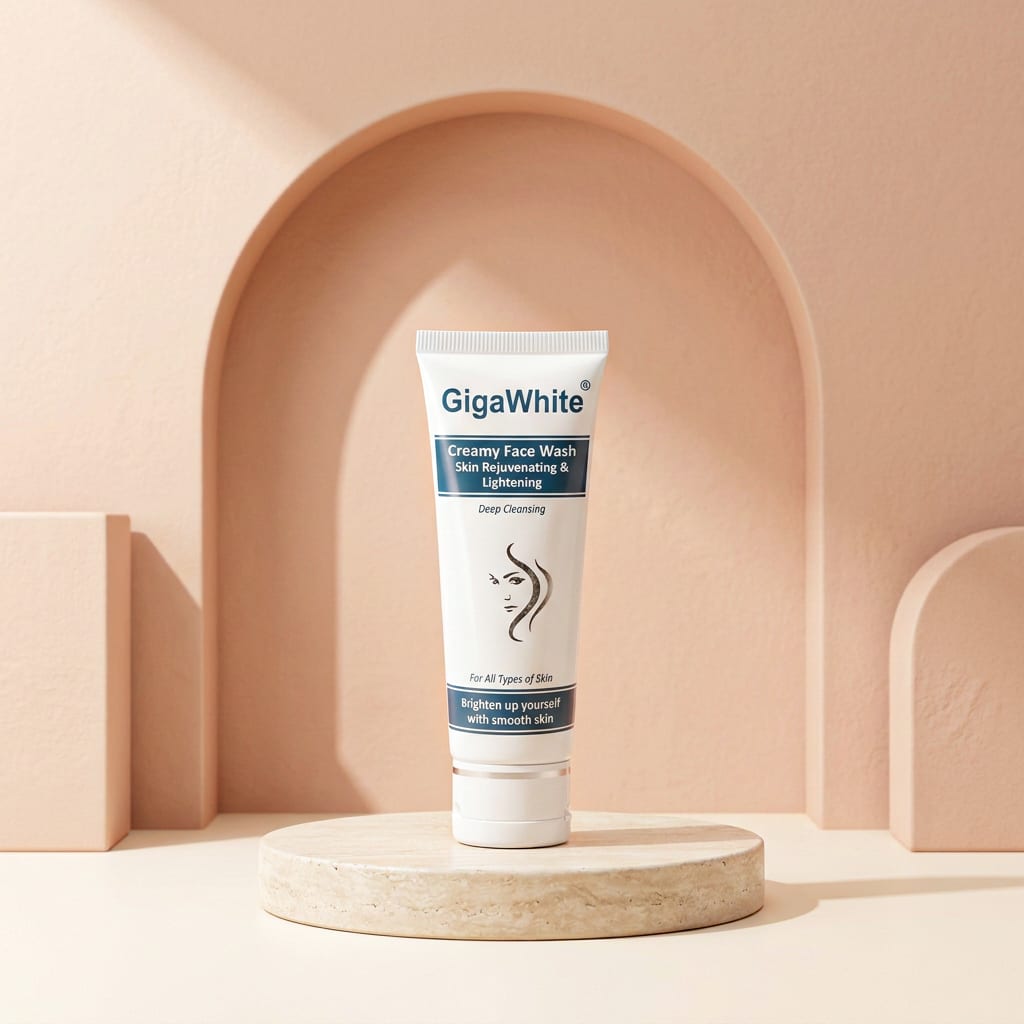
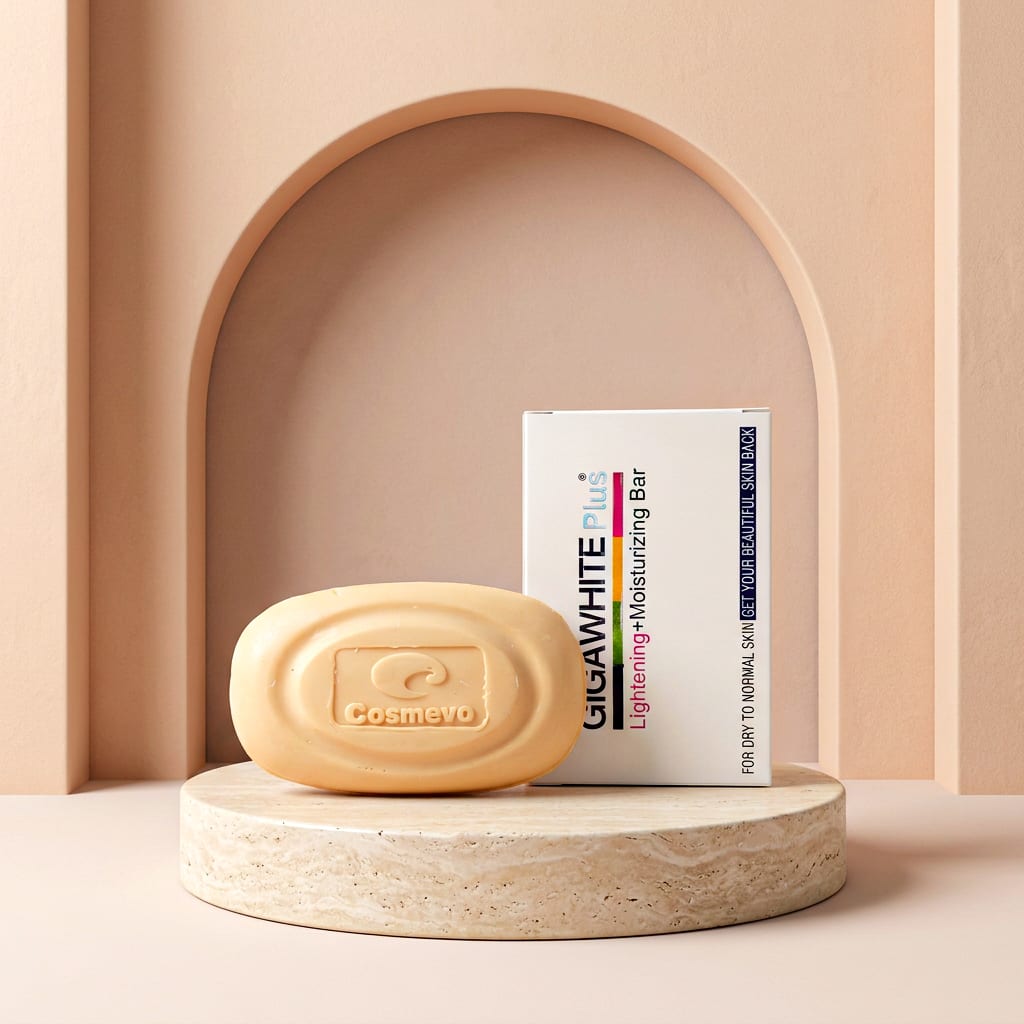
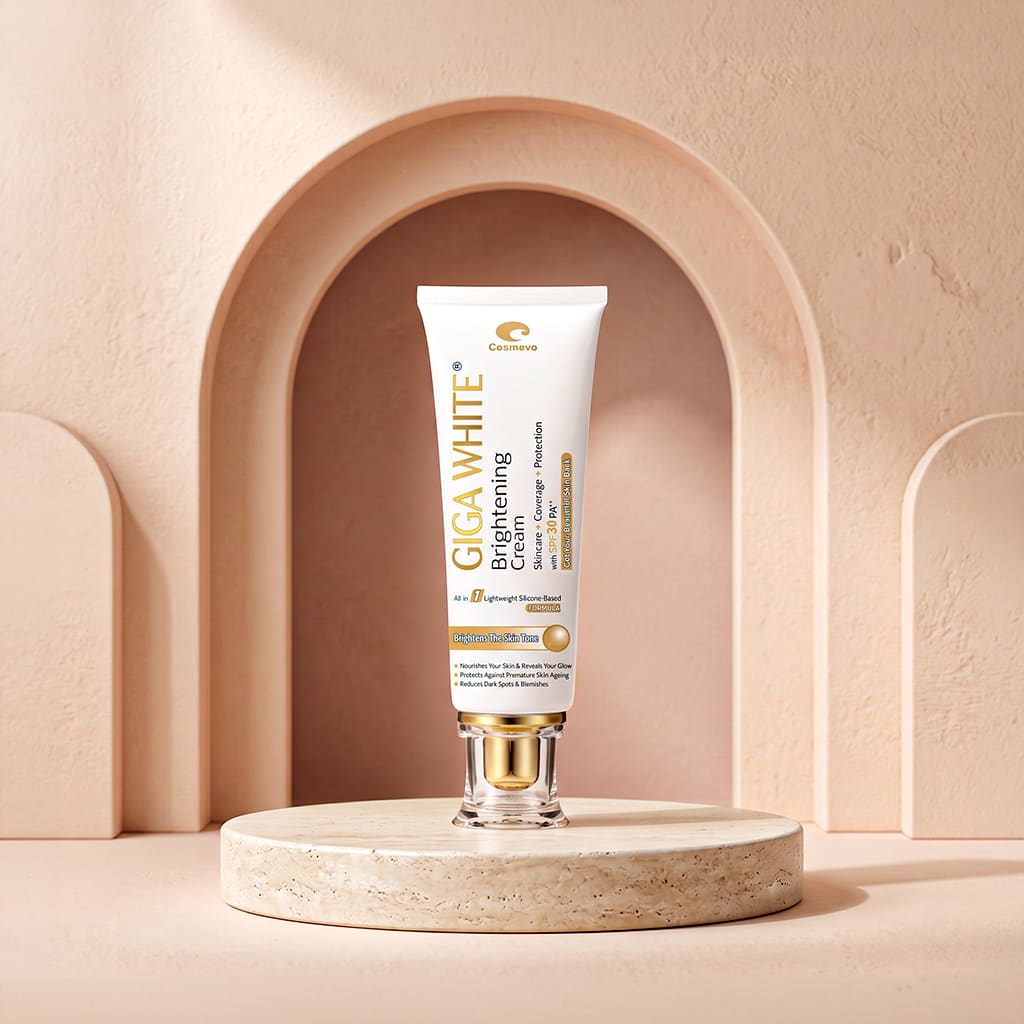
In: Giga White Creamy Facewash, Giga White Plus Soap, Gigawhite Brightening Cream
What Is Licorice extract?
Licorice extract comes from the root of the licorice plant, known in Pakistan as mulethi. The same root is used in sweets and in home remedies for the throat.
In skincare it appears as "Licorice Extract" or by the plant name, Glycyrrhiza Glabra.
What It Does in Skin and Hair Care
Licorice extract is used in brightening care for a more radiant, even-looking complexion. It is popular because it is gentle and suits most skin types.
It is often paired with niacinamide, kojic acid or vitamin C in the same product.
How to Use Products With It
- Use your brightening face wash, soap or cream as the label says, usually once or twice a day.
- Pair it with daily moisturising and sun care for the best-looking result.
Tips and Cautions
- Plant extracts can still bother sensitive skin. Patch test first: put a little on the inside of your arm for a day or two before using it on your face or body.
- If your skin stays red, itchy or sore, stop using the product and see a doctor.
Questions
- Is licorice extract the same as mulethi?
- Yes, licorice is the plant known as mulethi in Pakistan. Skincare uses an extract of the root.
- Is licorice extract gentle?
- It is generally considered gentle and suits most skin types, but any plant extract can bother some people. Patch test first.
This page describes how licorice extract is used in cosmetics. It is not medical advice. For a skin or scalp problem that is painful, spreading or does not settle, please see a doctor.