How to read a cosmetic ingredient list
By Team Cosmevo · 9 October 2026 · 6 min read
To read a cosmetic ingredient list, start at the top. Ingredients are usually listed from the largest amount to the smallest, so the first few names make up most of the product. Then look for the jobs: what cleans, what softens, what holds water and what keeps the product fresh. Last, check the list for anything you already know your skin reacts to.
Why bother reading the list
The front of a box tells you what the brand wants you to notice. The ingredient list tells you what is inside. Reading it takes two minutes, and it helps you choose with more confidence, especially if you have sensitive skin or a known allergy.
You do not need to be a chemist. You only need to know a few patterns. We will use real lists from Cosmevo boxes as examples.
Rule 1: The order tells you something
Ingredients are usually listed from most to least. The first ingredient is the biggest part of the product. Names near the end are present in small amounts.
Many face washes and lotions start with water, and so the first name on the list is often Aqua. Sometimes it appears as De-Ionized Water, which is water that has had its minerals removed.
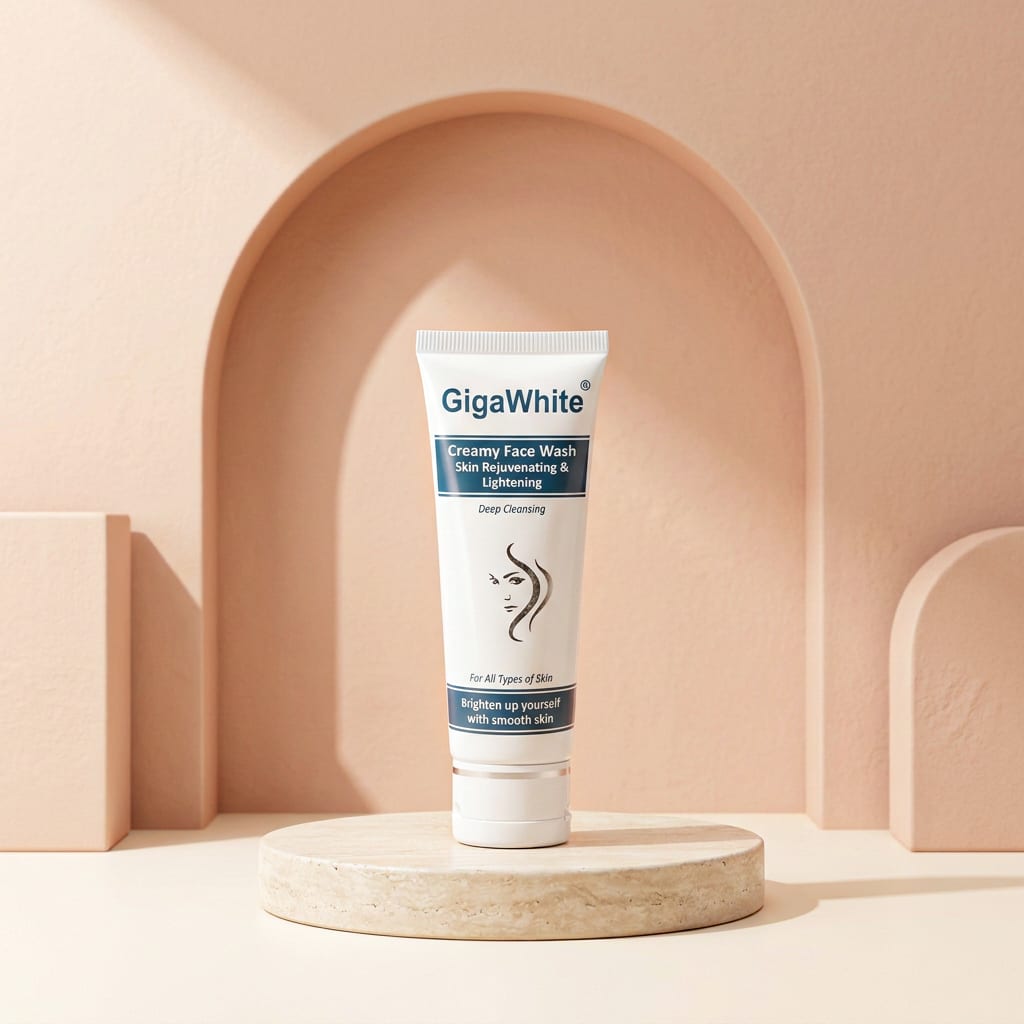
Look at the Giga White Creamy Facewash list as printed on its box: Niacinamide, Kojic Acid, Licorice Extract, Emblica Extract, Myristic Acid, Palmitic Acid, Glycerin, Stearic Acid, Potassium Hydroxide, Decyl Glucoside, Butylene Glycol, PQ-7, Sodium Benzoate, Dmdm Hydantoin, Aqua.
On this box, Aqua is printed at the end. Not every brand follows the same order, so use the order as a guide, not a rule. Read the whole list, not only the first name.
Rule 2: Learn a few INCI names
INCI is a standard naming system for cosmetic ingredients. It means the same name appears on boxes in different countries. Some names look strange, but many are simple once you know them.
- Aqua is water.
- Tocopheryl Acetate is a form of vitamin E. On some boxes it is written as Vitamin-E Acetate.
- Melaleuca Alternifolia is tea tree. You can read more about tea tree oil.
- Glycerin helps skin hold water. See the glycerin page.
- Niacinamide is the vitamin B3 you see on many face wash and lotion labels.
- Petrolatum and petroleum jelly are the same kind of ingredient.
- Cetearyl Alcohol is a waxy ingredient that thickens creams. It is not the drying kind of alcohol.
Some Cosmevo boxes use common names instead, such as Aloe Vera or Olive Oil. That is fine. The ingredient is the same.
Rule 3: Know the jobs
Most products are built from a few groups of ingredients. Here is what each group does, in plain terms.
Surfactants: they clean
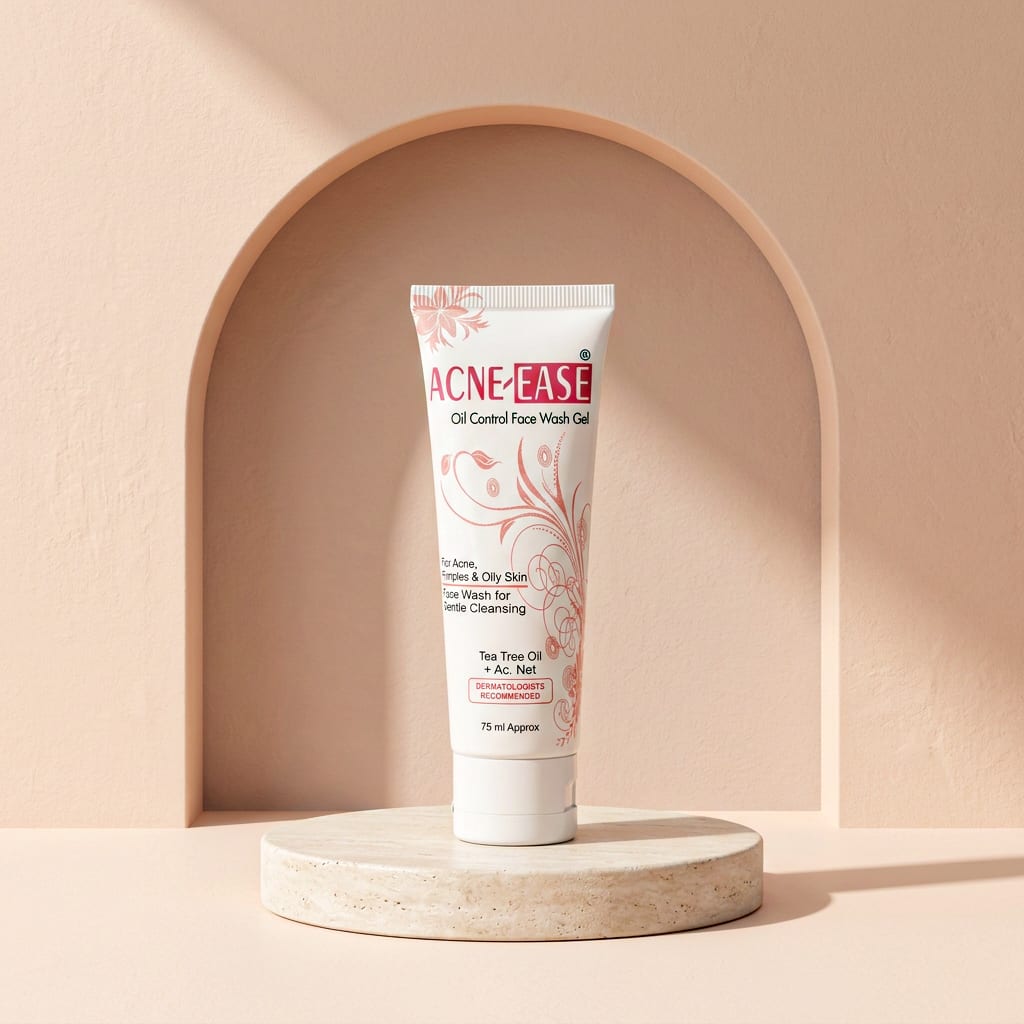
A surfactant helps water carry away oil and dirt. Every face wash and soap has them. In the Giga White Creamy Facewash, Decyl Glucoside is one. In the Acne Ease Facewash, Cocamidopropyl Betaine and Ammonium Lauryl Ether Sulphate are surfactants. Some are stronger and some are milder. If your skin feels tight after washing, a gentler cleanser may suit you better.
Humectants: they hold water
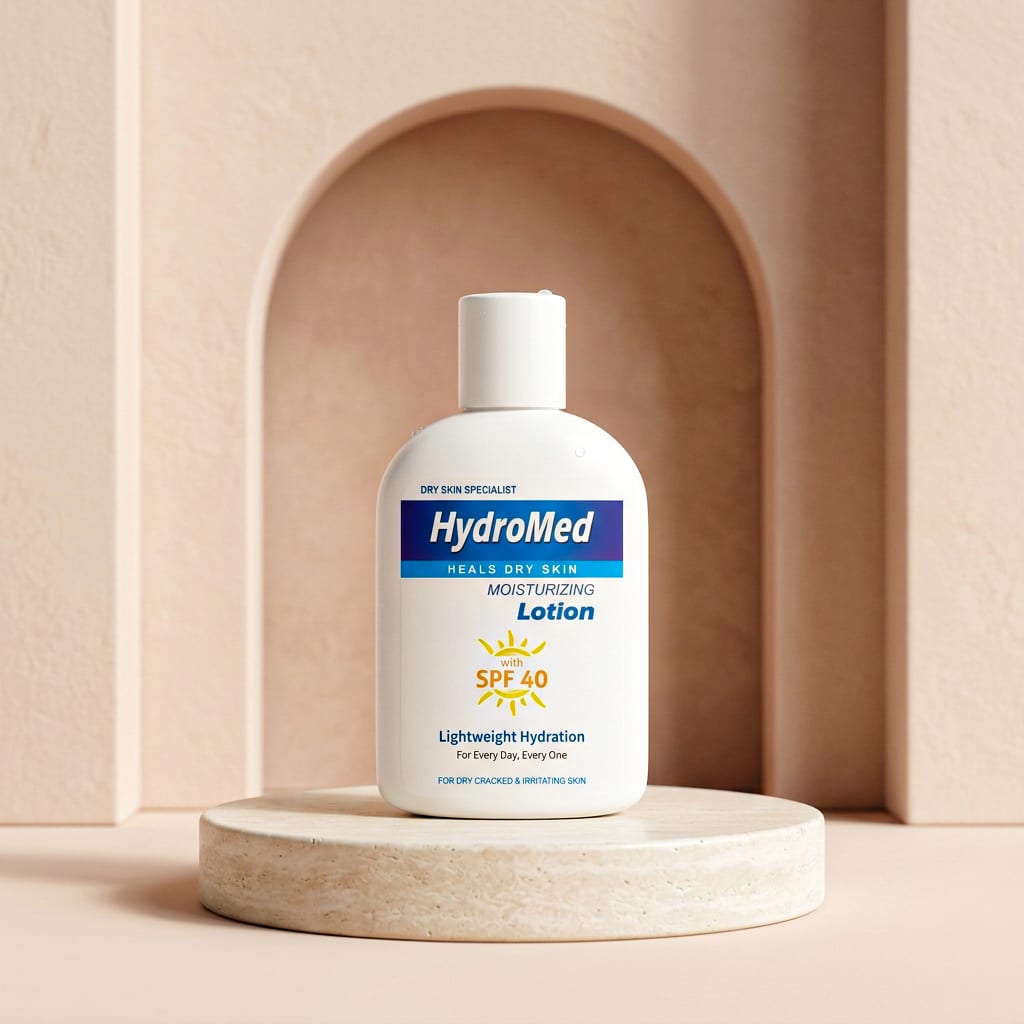
A humectant attracts water and helps skin hold on to it. Glycerin, Butylene Glycol, Propylene Glycol and Hyaluronic Acid are all humectants. The Hydro Med Moisturizing Lotion lists Hyaluronic Acid in its composition.
Emollients: they soften
An emollient helps skin feel soft and smooth. Shea Butter, oils such as olive or coconut oil, and petroleum jelly belong here. The lotion lists Shea Butter and Ceramides, and the Hydro Med Soap lists petroleum jelly and olive oil.
Preservatives: they keep the product fresh
Any product with water in it needs a preservative. Without one, it can spoil. You may see parabens (Methyl Paraben, Propyl Paraben), Phenoxyethanol, DMDM Hydantoin or Sodium Benzoate on a list. They are there so the product stays fresh in a warm, humid bathroom, which matters in Pakistan.
The Acne Ease Facewash list includes Methyl Paraben, Propyl Paraben and DMDM Hydantoin. The Hydro Med Baby Soap list includes Phenoxyethanol and DM/DM Hydantoin. Some shoppers prefer to avoid certain preservatives. That is a personal choice, and the list lets you make it.
Fragrance: it adds scent
Fragrance gives a product its smell. It may be one ingredient or a blend. If your skin is easily upset by scents, look for it near the end of the list, or choose a product that says it is non-perfumed.
Actives: the headline ingredients
These are the ingredients a brand wants to talk about, such as tea tree oil, niacinamide or hyaluronic acid. They are often shown on the front of the box. They are not always high on the list, so look at the whole list before you decide.
Rule 4: Spot what you already react to
If you know that a certain ingredient has upset your skin before, keep a note of its name on your phone. Write down every name it can appear under. Then check each new product against that note before you buy.
- Write down the ingredient that bothered you, and any other names for it.
- Find the list on the box or on the product page.
- Read it slowly, from start to end.
- If the name appears, choose another product.
- If you are not sure, ask us on the contact page or ask your pharmacist.
Fragrance is a common one to watch. So are essential oils and some preservatives. But do not guess. If you are unsure what caused a reaction, ask a doctor. They can help you find the real cause.
Rule 5: Do a patch test anyway
A clean ingredient list does not promise that the product will suit you. Every skin is different. Before you use a new product on your face, try it on a small area, such as the inside of your forearm, for 24 hours. If you see redness, itching or irritation, do not use it.
A quick example
Take the Acne Ease Facewash. Reading its list, you can see Tea Tree Oil first, then a few more ingredients, including Aloevera and D-Panthenol, then surfactants such as Cocamidopropyl Betaine, then Citric Acid, De-Ionized Water, and preservatives at the end. In a few seconds, you know what the product is built from.
When to see a doctor
If a product causes burning, swelling or lasting redness, stop using it and see a doctor. If your skin problem is persistent, severe or painful, a professional should look at it. Reading a list is a good habit, but it does not replace medical advice.
In short
Read the list from top to bottom, learn a few common names, and ask what job each ingredient does. Keep a note of anything you react to, and patch test every new product. After a few lists, it gets easier. For more on cleansing, see the daily cleansing page.
Questions
- Are ingredients listed in order?
- They are usually listed from the largest amount to the smallest. Use the order as a guide and read the whole list.
- What does Aqua mean on a label?
- Aqua is the INCI name for water.
- Why do products contain preservatives?
- Products that contain water need a preservative to stay fresh. Examples are parabens, phenoxyethanol and DMDM hydantoin.
- How do I check for an ingredient I react to?
- Write down its name and any other names it uses, then read the full list before you buy. A patch test on a small area is also a good habit.
More for this concern: Daily Cleansing: products and a simple routine